

PRP and Exosome Therapies Gain Attention in Personalised Hair Transplantation
Supportive therapies are increasingly being evaluated as part of medically guided and personalised approaches to hair loss management
İSTANBUL, TURKEY, July 22, 2026 /EINPresswire.com/ -- Hair loss is a complex condition that may be influenced by genetics, hormonal changes, inflammation, stress related shedding, nutritional deficiencies and certain medical conditions.For many patients, hair transplant is not limited to a single procedure. Depending on the diagnosis, scalp condition and long term objectives, treatment may involve a combination of surgical and nonsurgical approaches. Supportive therapies such as PRP hair treatment and exosome hair treatment are receiving increased attention for their potential role in supporting the scalp environment and existing hair follicles. However, these treatments are not necessary for every patient. They should not be considered substitutes for an appropriately planned hair transplant or for the medical evaluation of underlying causes of hair loss. Individual responses may vary, making professional assessment an essential part of the treatment planning process.
Understanding PRP Hair Treatment
PRP (Platelet Rich Plasma) is prepared using a concentration of platelets obtained from the patient’s own blood. Although platelets are primarily known for their role in blood clotting, they also contain signalling proteins commonly referred to as growth factors. These proteins may contribute to tissue repair and recovery processes. Within hair transplant, PRP hair treatment is used with the aim of supporting scalp health and follicle function. Some clinical studies indicate that PRP may help improve certain hair related parameters in selected patient groups, while other studies have reported more limited outcomes.
The scientific evidence continues to develop. Results may be influenced by the preparation technique, platelet concentration, number and frequency of sessions and the patient’s individual diagnosis.
How PRP Is Performed
Although treatment protocols may vary between clinics, a typical PRP procedure begins with a medical assessment. A clinician reviews the patient’s medical history, medications and pattern of hair loss to determine whether the treatment is medically appropriate. A small quantity of blood is then collected, similarly to a routine laboratory test. The blood is processed using a centrifuge to separate its components and concentrate the platelets. The prepared PRP is usually administered through small injections into targeted areas of the scalp. In selected cases, the treatment may also be combined with microneedling, depending on the clinician’s assessment and the patient’s suitability. Patients are provided with aftercare instructions for the following 24 to 48 hours. Mild or moderate discomfort may be experienced during the injections, while temporary tenderness, redness or pinpoint bleeding may also occur.
Potential Uses and Limitations of PRP
PRP may be considered as a supportive option for patients experiencing early stage androgenetic alopecia, commonly known as pattern hair loss.
It may also be evaluated in cases of diffuse thinning following a medical assessment, particularly when the objective is to support the health of existing follicles. In addition, some clinicians may incorporate PRP into a structured aftercare plan following a hair transplantation procedure. PRP is not expected to create new follicles in areas where hair follicles are no longer viable. It is also not intended to replace hair transplantation when advanced hair loss requires the surgical redistribution of donor follicles. Responses can vary according to the patient’s biology, diagnosis and stage of hair loss. PRP should therefore be viewed as a supportive treatment that may contribute to the environment surrounding existing follicles rather than as a guaranteed hair regrowth solution.
Understanding Exosome Hair Treatment
Exosomes are small extracellular vesicles that play a role in communication between cells. In clinical and aesthetic medicine, exosome based treatments are being explored as potential regenerative or supportive approaches because exosomes may carry signalling molecules associated with inflammation, tissue repair and cellular activity. In hair transplant, exosome hair treatment is generally presented as an approach intended to support scalp condition and follicle function. However, the protocols, products and preparation standards used in exosome related treatments can vary considerably. Regulatory requirements and clinical standards may also differ depending on the country, product type and method of application. Scientific evidence is still emerging, and high quality comparative data against more established treatments remains limited. Patient suitability and product selection should therefore be discussed with experienced medical professionals who follow clear clinical governance, product handling and patient safety protocols.
How Exosome Therapy Is Applied
Application methods depend on the clinic’s protocol and applicable local regulations. Exosome related products may be administered through scalp injections into areas affected by thinning. In selected candidates, topical application may also be combined with microneedling. Before proceeding, patients should receive clear information about the type and source of the product, how it is stored and handled, the sterility procedures followed by the clinic and the qualifications of the professional performing the treatment. The clinic should also explain the expected aftercare and follow up process.
As with PRP, discomfort is generally limited and temporary. Short term redness, sensitivity or tenderness may occur following the procedure.
PRP and Exosome Therapies: Key Differences
Although both approaches are discussed as supportive hair transplantation treatments, they differ in several important areas. PRP is obtained from the patient’s own blood, making it an autologous treatment. Exosome based approaches generally involve externally prepared products. PRP protocols may differ between clinics, but the underlying concept has been used in several areas of medicine. Exosome protocols, product standards and evidence requirements are currently less uniform. PRP also has a broader body of clinical literature relating to its application in hair transplantation. Exosome based treatments may offer potential, but reliable long term data remains more limited. The appropriate option depends on the patient’s diagnosis, scalp condition, medical history and individual risk factors. A medically responsible consultation should focus on determining which treatment, if any, is appropriate for the individual rather than presenting one approach as universally superior.
Using Supportive Therapies Alongside Hair Transplantation
Hair transplantation involves redistributing follicles from a suitable donor area to regions affected by thinning or hair loss. Supportive treatments may be evaluated at different stages of the patient journey as part of personalised treatment plans. Before a hair transplant, selected patients may undergo supportive therapy to improve the general condition of the scalp or help manage inflammation and shedding. Following the procedure, some clinicians may recommend supportive treatments to assist scalp recovery and support the patient’s surrounding native hair. Patients with ongoing pattern hair loss may also require a long term management strategy involving medical treatment, supportive therapies or a combination of different approaches. Visible hair growth after transplantation develops gradually. Complementary therapies should therefore be presented as one part of a wider treatment strategy and not as a guarantee of faster or predetermined results.
Safety, Side Effects and Patient Suitability
PRP and exosome related treatments are commonly described as minimally invasive procedures. Nevertheless, both remain medical interventions that should be performed under appropriate clinical supervision. Possible side effects may include temporary pain, tenderness, redness, swelling, bruising, scalp tightness or headache. Although uncommon, infection is also a potential risk associated with any injectable treatment when adequate sterility standards are not maintained. Because PRP is prepared from the patient’s own blood, the likelihood of an allergic reaction is generally considered lower. However, it may not be suitable for individuals with certain blood disorders, active infections or other medical conditions identified during assessment. Exosome related products can differ significantly. Patients should ask for detailed information about product sourcing, preparation, storage, handling and available safety documentation. Before either treatment is performed, a qualified medical professional should evaluate the patient’s medical history, current medications, use of blood thinning medication, pregnancy status, autoimmune or inflammatory conditions and existing scalp disorders.
Session Planning and Clinical Follow Up
The recommended number and frequency of sessions depend on the patient’s diagnosis, the extent of thinning and the clinic’s treatment protocol. PRP is often planned as an initial course of sessions followed by maintenance appointments. Exosome related treatments may be offered in fewer sessions depending on the product and application protocol. There is no universal treatment schedule suitable for every patient. A structured clinical process should include documenting the initial condition of the scalp, establishing measurable and realistic objectives, evaluating the patient’s response over time and adjusting the treatment plan according to progress, tolerance and medical appropriateness.
Questions Patients Should Ask Before Treatment
A comprehensive consultation should provide patients with the opportunity to ask detailed questions about their diagnosis and proposed treatment. Patients should understand whether their hair loss is caused by androgenetic alopecia, temporary shedding, inflammation or a combination of different factors. They should also ask what outcomes are realistic for their current stage of hair loss, who will perform the procedure and what level of medical supervision will be provided. Other important areas include the preparation protocol, recommended session intervals, aftercare instructions, possible side effects, individual contraindications and the methods used to evaluate progress. Patients considering hair transplantation should also ask how the proposed supportive treatment will fit into their surgical plan and long term maintenance strategy.
A Long Term Approach to Hair Restoration: Mike Majlak’s Follow Up Journey
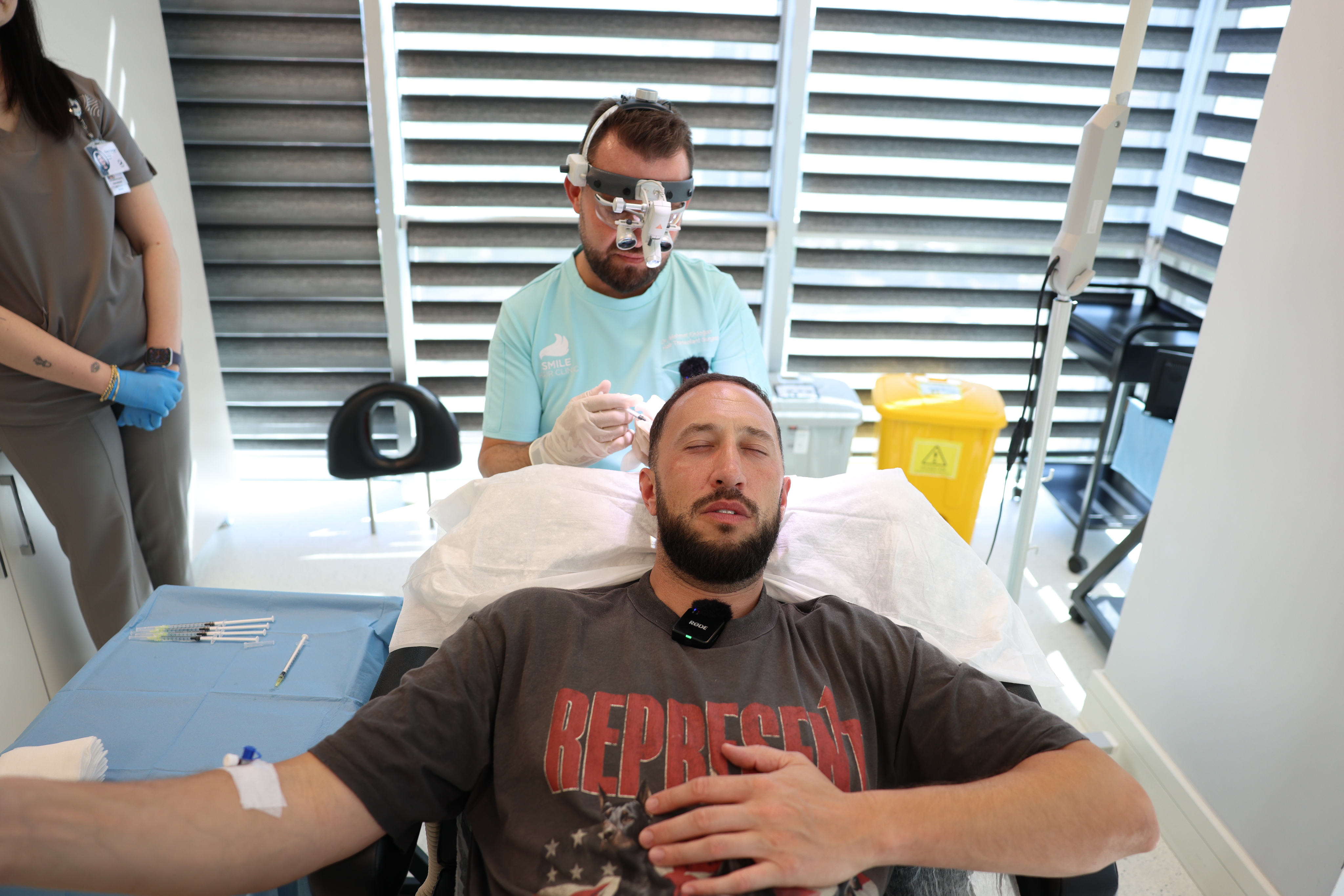
American YouTuber Mike Majlak returned to Istanbul approximately four years after undergoing a hair transplant at Smile Hair Clinic. As part of his long term hair maintenance plan, Majlak received PRP hair treatment and exosome hair treatment to support his existing hair, scalp condition and overall hair transplant journey. His follow up visit highlights the importance of continued assessment and supportive care after hair transplantation, based on individual needs and professional medical evaluation.
Smile Hair Clinic’s Approach to Supportive Therapies
In comprehensive hair transplantation, accurate assessment and treatment planning are among the most important elements of the patient journey. Founded by Dr. Mehmet Erdoğan and Dr. Gökay Bilgin, Smile Hair Clinic in Istanbul incorporates supportive options such as PRP and, when clinically appropriate, other complementary therapies into personalised treatment plans guided by professional medical evaluation. Drawing on their experience in hair transplantation, Dr. Erdoğan and Dr. Bilgin have played key roles in shaping the clinic’s approach to treatment planning, clinical oversight and the international patient experience. For international patients, clinical governance, organised treatment processes and patient safety standards are considered as important as the procedure itself. Individual suitability and potential outcomes depend on personal medical factors and should always be determined through a professional assessment.
About Smile Hair Clinic
Smile Hair Clinic is a premium hair transplant clinic located in Istanbul, Türkiye, offering a patient centred experience designed for international patients. The clinic focuses on personalised treatment planning, clear communication and structured clinical processes that support patient safety and continuity of care from the initial consultation through the aftercare journey. Smile Hair Clinic is the first and only hair transplant clinic in the world to receive A Rated certification from Temos International Healthcare Accreditation. This recognition reflects the clinic’s commitment to international healthcare quality standards, patient safety and organised clinical practices. Founded by Dr. Mehmet Erdoğan and Dr. Gökay Bilgin, Smile Hair Clinic combines medical expertise with extensive experience in hair transplantation.
As co founders, they have played key roles in developing the clinic’s clinical approach, patient journey and treatment planning philosophy, bringing together medical oversight and an internationally focused standard of care.
Berk Elmas
Smile Hair Clinic
+90 549 149 24 00
email us here
Visit us on social media:
Instagram
Facebook
YouTube
TikTok
X
Mike Majlak Is Back at Smile Hair Clinic: PRP, Exosome & 4 Year Update
Legal Disclaimer:
EIN Presswire provides this news content "as is" without warranty of any kind. We do not accept any responsibility or liability for the accuracy, content, images, videos, licenses, completeness, legality, or reliability of the information contained in this article. If you have any complaints or copyright issues related to this article, kindly contact the author above.
